With the development of smart grids, utilities are increasingly deploying Advanced Metering Infrastructure (AMI) to achieve remote meter reading, real-time monitoring, energy management, and improved customer services.
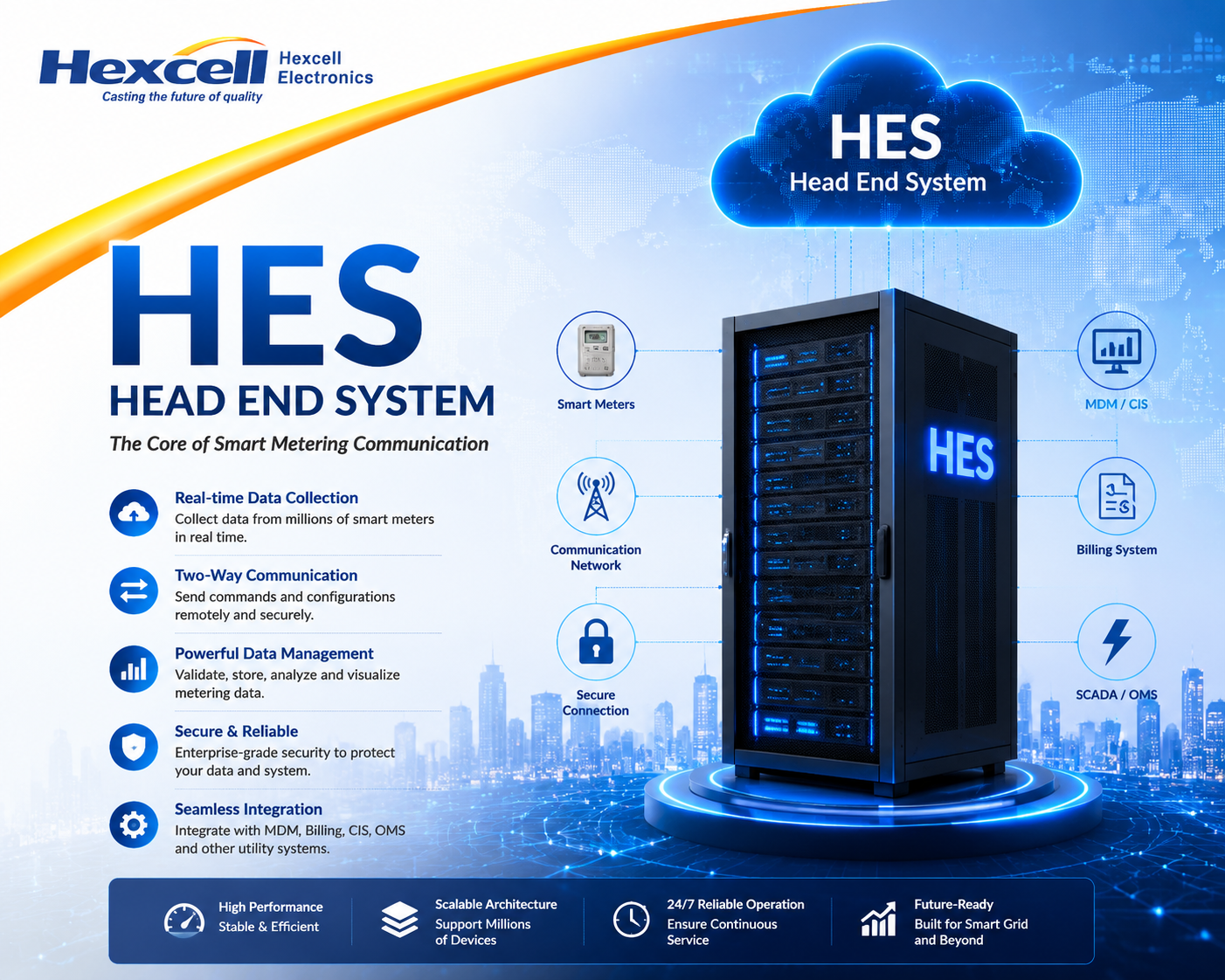
The Head End System (HES) is one of the most important components in an AMI solution. It acts as the communication bridge between smart meters and utility business systems. Through secure communication networks, HES collects data from thousands or millions of smart meters, manages meter devices, and sends control commands back to the field.
1. What Is HES (Head End System)?
The Head End System (HES) is a centralized software platform responsible for communication with smart meters in an AMI network.
The main functions of HES include:
Smart meter data collection
Two-way communication management
Remote meter configuration
Firmware upgrade management
Event and alarm monitoring
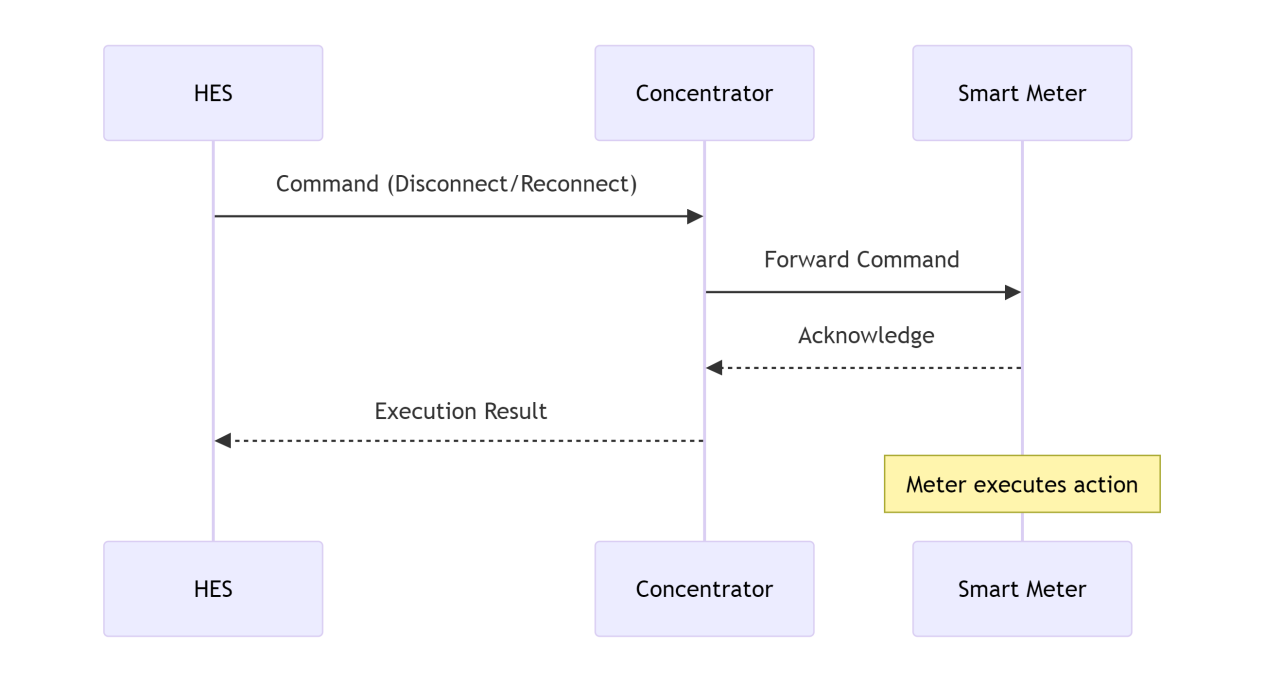
Remote disconnect/reconnect control
Data security and encryption
Communication protocol management
2. Basic Architecture: Smart Meter to HES Connection
The connection between smart meters and HES usually follows a multi-layer communication architecture:
Smart Meter
│
│ (PLC / RF / GPRS / 4G / 5G / Fiber)
│
Communication Network
│
│
▼
HES (Head End System)
│
│
▼
MDM / Billing / CIS / Utility Applications
The whole process includes four major layers:
Smart Meter Layer
Communication Network Layer
HES Layer
Utility Application Layer
3. Step 1: Smart Meter Collects Energy Data
The smart meter is installed at the customer's premises or distribution network.
It measures and records:
Voltage
Current
Active energy (kWh)
Reactive energy (kvarh)
Power factor
Maximum demand
Load profile
Power quality information
Events and alarms
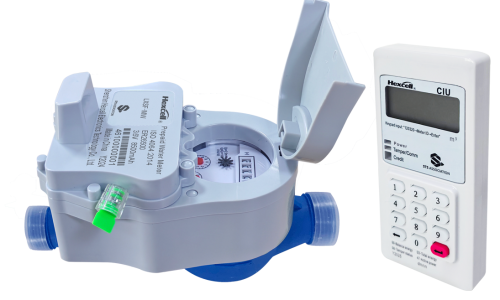
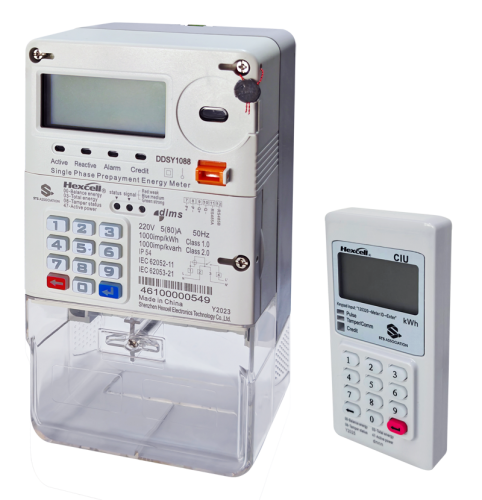
Compared with traditional meters, smart meters have communication modules that allow remote data exchange.
Common communication modules include:
PLC (Power Line Communication)
RF Mesh
LoRa
NB-IoT
GPRS
4G LTE
Ethernet
Fiber communication
4. Step 2: Communication Network Transfers Data
After collecting meter data, information is transmitted through a communication network.
Different countries and projects choose different communication methods according to infrastructure and coverage.
Common communication solutions:
PLC Communication
Smart meters communicate through existing power lines.
Advantages:
No additional communication infrastructure required
Suitable for dense urban areas
Applications:
Europe
Middle East
Smart city projects
RF Mesh Network
Meters communicate with each other through wireless radio frequency.
Advantages:
Self-organizing network
Good coverage
Suitable for large-scale deployments
Cellular Communication (GPRS/4G/5G)
Each meter communicates directly with the HES through mobile networks.
Advantages:
Wide coverage
Easy deployment
Suitable for rural areas
Common in:
Africa
Middle East
Southeast Asia
5. Step 3: HES Receives and Processes Meter Data
When data reaches the HES server, the system performs several important operations:
Data Collection
HES automatically collects:
Daily meter readings
Hourly consumption data
Event logs
Alarm information
Data Validation
HES checks:
Communication status
Data completeness
Meter abnormalities
Time synchronization
Device Management
HES manages:
Meter registration
Meter configuration
Communication parameters
Firmware updates
Remote Control
Through HES, utilities can perform:
Remote disconnect
Remote reconnect
Tariff updates
Parameter modification
6. Two-Way Communication Between HES and Smart Meter
Unlike traditional AMR systems, AMI provides two-way communication.
From Smart Meter to HES:
The meter sends:
Energy consumption data
Voltage/current information
Alarm events
Tamper detection signals
From HES to Smart Meter:
The utility can send:
Remote commands
Tariff settings
Time synchronization
Firmware upgrade instructions
This two-way communication enables intelligent grid management.
7. HES Integration With Utility Systems
HES usually connects with other utility platforms through standard interfaces.
Typical integrations include:
Meter Data Management System (MDM)
Responsible for:
Data storage
Data analysis
Load forecasting
Billing System
Used for:
Automatic billing
Prepayment management
Revenue protection
Customer Information System (CIS)
Provides:
Customer management
Service information
Outage Management System (OMS)
Supports:
Fault detection
Faster power restoration
8. Communication Protocols Between Smart Meter and HES
Different regions and utilities use different protocols.
Common protocols include:
Protocol
Application
DLMS/COSEM
International smart meter standard
IEC 62056
Meter data exchange
IDIS
European interoperability standard
MQTT
IoT-based communication
Modbus
Industrial applications
DNP3
Utility automation
For international smart meter projects, DLMS/COSEM is one of the most widely used protocols.
9. Example of Smart Meter AMI Communication Flow
A typical data flow:
Smart meter measures electricity consumption.
Meter stores measurement data locally.
Communication module sends data through PLC/RF/4G.
HES receives and verifies the data.
HES stores and forwards information.
Utility applications analyze and use the data.
Commands can be sent back to the meter.
10. Benefits of HES-Smart Meter Connection
For Utilities
Remote meter reading
Reduced operational costs
Improved billing accuracy
Faster outage detection
Reduced electricity theft
For Customers
Accurate bills
Better energy awareness
Flexible tariff management
Improved service quality
For Smart Grid Development
Real-time grid monitoring
Demand response
Renewable energy integration
Future smart city applications
Conclusion
The connection between HES and smart meters is the foundation of a modern AMI system. Through advanced communication networks and secure data exchange, HES enables utilities to remotely monitor, manage, and control millions of smart meters.
A successful AMI deployment requires not only reliable smart meters but also a powerful HES platform, compatible communication protocols, and seamless integration with utility systems. Smart Meter + Communication Network + HES + Utility Applications = Complete AMI Solution
This architecture is becoming increasingly important in regions such as Africa, the Middle East, and Southeast Asia, where utilities are accelerating digital transformation and smart grid development.